On Pecking Order
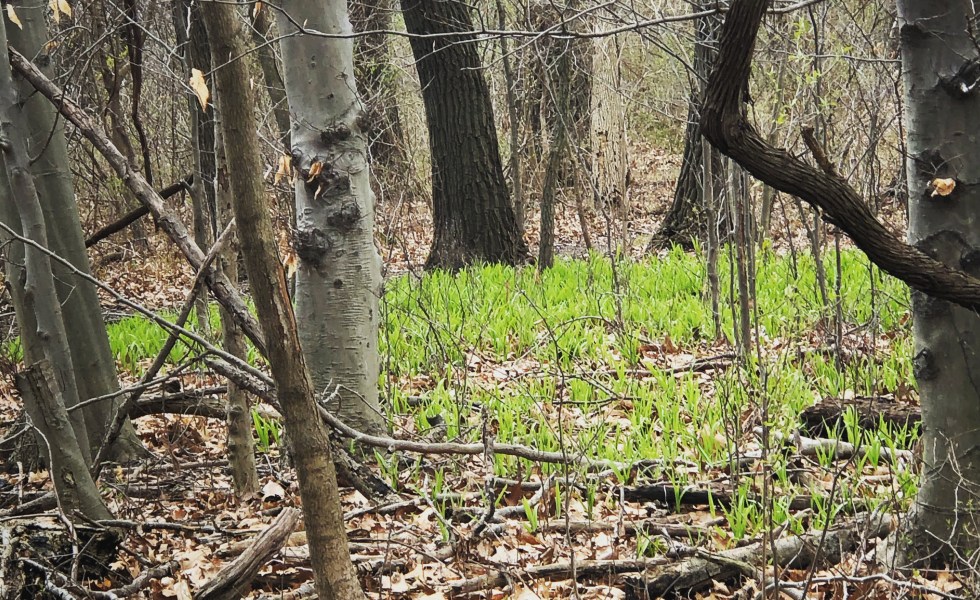
Earlier this week, I met up with my dog training group for an early evening hike through the Lil Le Hi Trout Fishery park. I have been a part of this group for more than fifteen years. Many of the human members of this pack have as well, and in some cases, we’ve seen each other through the entirety of several generations of dogs’ lives. As we have slipped into August, the weather has shifted briefly from sticky-thick to dry-hot. This means the evenings cool off into the mid-sixties, perfect for working obedience in our pack of 30 dogs.
As with any club, the conversations between participants tend towards the care, health, or behavioral curiosities about our shared subject matter: our canine compadres. The night of the hike, I found myself walking next to one of the main trainers who is truthfully, one of the only humans on the planet besides myself and my septuagenarian parents, who my dog trusts enough to accept as a handler. My boxer, H, bounced between several families before being returned to rescue, seventeen months into his life. As a result of whatever he experienced, whatever heartbreak he endured, he really struggles to trust people, especially men.
A week prior to this hike, I had had two friends, a married couple, stay overnight for a weekend visit, which meant that H either hung out in the cordoned off section on the second floor, in his kennel on the first floor, or attached to me via his training leash. With most reactive dogs, if you can walk them with the people or animals you want them to tolerate, doing that walk mindfully, helps to build trust and connection. As I explained to my trainer friend during our class hike, H did something strange on that weekend walk with my visiting friends.
We had taken a wooded path out across an open field, then retraced our steps about twenty minutes later. On the way back to the house, I let my guests go in front of us, in part to keep H near the back of our line – I wanted to communicate to him that these guests were part of our pack and thus higher up in the pecking order. Normally, H is a reactive sort – get them, but only if he thinks they are going to get him first. What I shared with my trainer friend was how H suddenly tried to pull ahead of me to nip at my friend’s hands as he walked ahead of us. Strange, I thought.

My trainer friend didn’t think so, even though he has known H for as long as I have. He reminded me that as far as the dog knew, these strangers were on his turf, and by putting H in line behind them, I had unintentionally set up the opportunity for H to challenge someone higher-ranked than he.
Now, maybe this is a little bit of a reach here, but in my mind, revising a novel-length manuscript– determining who stays and who goes, what order serves the story best, how fast or slow to pace the action– seems to parallel H’s pecking-order dilemma.
As H’s handler, I have to be able to read his behaviors in any given context, anticipate them where I can, and set him up for success; otherwise, the walks will be miserable for us both, and quite possibly dangerous to others.
So this got me thinking… as a writer, how do you determine the pecking order for your narrative? How do you set yourself up for success once you make it to the revision stage?
Like anything else, you have to look at the big picture first, identify the heartbeat of your story, and prioritize the element or beat that is the least likely to fuel that story’s pulse. In my next post, I will explore a few ways to determine the heart of the story and offer tips on how to structure revision sessions to set yourself up for success.
 The Dog Days Writer