On Cats, Dogs, and Writing
Literature is filled with a menagerie of animal characters – White Fang, Old Yeller, Black Beauty, Aslan, Algernon, Charlotte and Wilbur, Napoleon and Boxer to name a few – but for me, one of the animal characters that stands out is a cat, a very unlucky black cat, in Edgar Allan Poe’s tale of the same name.


I first read this tale as an eighth-grade student in a parochial school lead by a short, brickhouse-of-a-nun named Sister Madelyn. She didn’t teach the class, but somehow I always associated her with this particular part of English class. Maybe it was the way she would stalk into the classroom, snatch up a tieless boy, and slam him against the green blackboard, while we watched her face turn to strawberries as she screamed, nose-to-nose with the noncompliant offender. Maybe it was the thought that we were reading a story that was so antithetical to the religious dogma we had been studying throughout our internment there. (To be fair to Sister, a child usually sees the world and its players through an exaggerated lens – bigger, badder, greater than its reality. She showed us her hardest edges, afraid if she let us see her softness, we’d never respect her.) In any case, The Black Cat was the darkest, most unusual story I’d read. Poe’s language was rich, sophisticated, a closed system akin to Shakespeare’s Elizabethan.
There’s a part of the story where Poe’s unnamed narrator pontificates about perversity; in his view, the idea that humans do illogical things that don’t correspond to cause-and-effect, and they do these unusual things just because they can (like teenagers, I thought). Years later, when I found myself teaching this same story to different groups of eight-graders, I read deeper into the argument about human nature that I suspect Poe was trying to work out for himself. In “The Black Cat: Perverseness Reconsidered”, James Garano refers to Poe’s narrative dilemma as his, “fabricating an ingenious dialectal to explain his moral aberrations.” (https://www.jstor.org/stable/40753670)

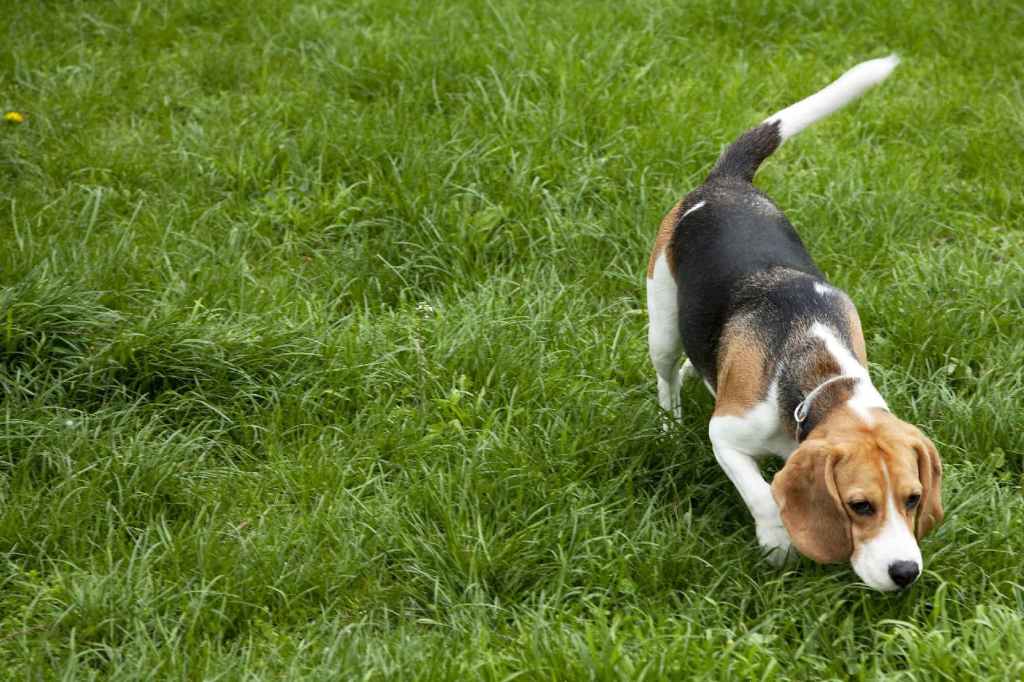
As a writer, I have come to realize that it is this fascination with moral aberrations that drives my own imagination. I am also driven to explore the relationship between people and animals. In the summer of 2014, I was reading through some news stories when one story caught my attention. The article was about a US-based company that had bought its way through a Parliamentary ban on the production of animals for the animal testing industry in Yorkshire, England. This company had an international monopoly in this bio resources market and had targeted this specific region in England because of its proximity to a major shipping port and, well, because it could. Collectively, this company generated trillions of dollars in profits and had no equal – a real Goliath. The particular facility operating in this English county had come under scrutiny because of a series of leaked videos showing employee’s hitting, poking, and torturing beagles, the most popular product aside from rodents that these companies produce.
This got me thinking. What kind of person works for a Goliath of this nature? What drives this industry? Is it profit alone, or is it some justification about working towards a greater good? Or, do they do this just because they can? Like Poe’s narrator in The Black Cat, I wondered, do they embrace moral aberration as some form of instant gratification? What’s the alternative? I wondered.
That was the initial whiff of story, the curiosity I needed to follow as a writer. Since then, I’ve gone down a rabbit hole of research into the nature and impact of intentionality, into nature versus nurture, into generational trauma and how that shapes us, and into this Goliath industry, the alternatives. What has come out of all of this reading is the bones of a literary novel, a story that explores moral aberrations, the relationship between good intentions and traumatic outcomes, and the Davids that inevitably interrupt the paths of the Goliaths.
Observe that which piques your curiosity. Follow your nose. Make time to flesh out your questions. Reflect on the lived experiences that you associate with the pursuit. Take notes. Write without critique. Explore a genre or two. Ruminate. This is how you find something to write about. This is how your quest towards authorship begins.
 The Dog Days Writer